

Creatine for women is finally getting the attention it deserves. For decades, creatine has been marketed with a very particular image: gym bags, heavy weights, protein shakes and muscle building. It’s hardly surprising that many women have assumed it simply isn’t for them.
But this Women’s Month, we think creatine deserves another look.
Creatine is one of the most extensively researched nutritional supplements available, and its role extends far beyond sports performance. Researchers have explored its potential relevance to women’s muscle health, exercise performance, cognition and healthy ageing, with particular interest in how women’s needs may change across different stages of life.
So, why has it taken so long for creatine to enter the women’s wellness conversation?
What Is Creatine – And Why Do We Need It?
Creatine is a naturally occurring compound made by the body from amino acids. We also obtain it through our diet, primarily from animal-derived foods such as meat and fish.
Most of the body’s creatine is stored in skeletal muscle, where it helps rapidly regenerate adenosine triphosphate (ATP) – the body’s immediate source of cellular energy.
Think of ATP as the energy currency your cells spend. During activities that require energy quickly, the creatine-phosphocreatine system helps replenish that currency.
This is one reason creatine has become so well established in sports nutrition. But muscles aren’t the only tissues with significant energy requirements. The brain also uses creatine, which has opened up an entirely different area of research.
Why Is Creatine Particularly Interesting for Women?
Women have historically been underrepresented in sports nutrition research, and creatine is no exception.
Yet female physiology provides some interesting reasons to study it more closely.
Research suggests that creatine metabolism may be influenced by hormonal changes throughout a woman’s life, while dietary creatine intake may also be lower in women than men. Researchers have therefore investigated supplementation across different life stages, including the reproductive years and after menopause.
That doesn’t mean every woman needs to take creatine.
It does mean we’ve probably been selling creatine short by treating it purely as a bodybuilding supplement.
Creatine, Muscle & Strength: It’s About More Than the Gym
One of the most compelling reasons for women to pay attention to creatine is also its most familiar benefit: muscle.
But we’re not talking about becoming bulky.
Maintaining muscle and strength contributes to physical function, mobility and independence as we get older. Resistance exercise remains fundamental, alongside adequate nutrition and protein intake.
Creatine can complement that foundation.
Research in women suggests creatine supplementation can support exercise performance and strength, while studies in older and postmenopausal women have explored its use alongside resistance training for supporting muscle size and function.
In other words, muscle isn’t simply something we build because we want to look “toned.”
Muscle is part of healthy ageing.
What Changes During Perimenopause & Menopause?
This is where the conversation becomes particularly relevant to women’s health.
Hormonal changes around menopause are accompanied by changes in body composition, muscle and bone health. At the same time, maintaining strength becomes increasingly important as we age.
Creatine isn’t a treatment for menopause, and it certainly doesn’t replace exercise, adequate protein, good nutrition or appropriate medical care.
However, research examining creatine in postmenopausal women suggests that supplementation – particularly when combined with resistance training – may offer benefits for skeletal muscle and physical function. Research into potential bone-health benefits is also ongoing, although the evidence here is less consistent than it is for muscle.
That makes creatine an interesting piece of a much bigger healthy-ageing strategy.
Your Brain Needs Energy Too
Here’s where creatine becomes far more interesting than its gym reputation suggests.
The brain is an extraordinarily energy-demanding organ, and it has its own creatine-phosphocreatine system.
Researchers have therefore investigated whether increasing creatine availability could influence aspects of brain function, particularly when energy demands are increased or creatine availability is lower.
Studies have explored areas including memory, cognition, mental fatigue and mood. Research specifically examining women has also generated interest because hormonal fluctuations may influence brain bioenergetics.
The evidence isn’t strong enough to position creatine as a cure for brain fog or a treatment for mood disorders.
But it does give us another reason to stop thinking of creatine exclusively as something for muscles.

Creatine Myths Women Still Hear
“Creatine will make me bulky.”
Creatine doesn’t suddenly create large muscles.
It can help support training performance and adaptations to resistance exercise, but substantial muscle growth requires the appropriate training stimulus, nutrition, time and individual physiology.
“Creatine makes you gain fat.”
Creatine does not inherently cause body-fat gain.
Some people notice an increase on the scale after starting creatine because additional water is stored within muscle as creatine stores increase. That is not the same thing as gaining body fat.
For women who have spent years being encouraged to judge their health by the number on a scale, that distinction matters.
“Creatine always causes bloating.”
Not necessarily.
Some people experience gastrointestinal discomfort, particularly with larger doses. Using a moderate daily dose and choosing a product that dissolves well may make supplementation easier to incorporate into a routine.
“Creatine is bad for your kidneys.”
Creatine has been extensively studied, and supplementation at recommended amounts is generally considered safe for healthy adults.
However, anyone with kidney disease or another medical condition – or who takes medication that may affect kidney function – should discuss supplementation with an appropriate healthcare professional first.
“Women need special creatine.”
Perhaps the best marketing myth of all.
You don’t need creatine simply because the tub is pink and says “for women.”
Creatine monohydrate remains the form with the strongest body of research behind it.
What is worth paying attention to is the quality and purity of the creatine you’re buying.
And we’ll come back to that.
How Much Creatine Do Women Need?
For everyday supplementation, 3–5 g of creatine monohydrate per day is a commonly used approach.
You’ve probably also heard of “creatine loading”, where a much larger amount is taken for several days to saturate muscle creatine stores more quickly.
For most people, loading isn’t essential. Taking creatine consistently each day can gradually increase stores without a loading phase.
And despite the complicated routines you might see online, consistency generally matters more than whether you take your creatine at precisely 7:13 am before your workout.
What About Pregnancy & Breastfeeding?
This is an important distinction to make in an article about women’s health.
There is growing scientific interest in creatine during pregnancy because of its role in cellular energy metabolism. However, research is not currently sufficient to recommend routine creatine supplementation during pregnancy or breastfeeding without professional guidance.
Pregnant or breastfeeding women should therefore discuss supplementation with their healthcare practitioner rather than assuming that a supplement’s popularity or natural presence in the body automatically makes supplementation appropriate.
Not All Creatine Is Created Equal
When we talk about the benefits of creatine, it’s important to remember that the quality of the supplement matters too.
Creatine monohydrate remains the form with the strongest body of research behind it, but that doesn’t necessarily mean every creatine supplement on the shelf is identical. The quality of the raw material, how it is manufactured, purity testing and the standards followed by the manufacturer can all differ between products. Your current article already establishes creatine monohydrate as the best-researched form.
Because creatine is generally taken consistently — often every day — we believe it’s worth choosing a product from a reputable manufacturer with clear ingredient labelling and strong quality-control standards.
What Should You Look for in a Good Creatine?
When comparing products, we recommend looking for:
- Creatine monohydrate as the primary ingredient, as this remains the most extensively researched form.
- A clearly stated dose, so you know exactly how much creatine you’re getting per serving.
- Reputable manufacturing and quality-control standards, particularly when it comes to the purity and consistency of the raw material.
- Minimal unnecessary ingredients, especially if you simply want a straightforward daily creatine supplement.
- Good solubility and ease of use, because the best supplement is ultimately one you can take consistently.
You don’t necessarily need the most expensive creatine, the fanciest formulation or a product marketed specifically to women.
What you do want is a well-made product that provides an appropriate dose of a well-researched form of creatine from a brand you trust.
Our Creatine Picks
There are plenty of creatine supplements available, so we’ve selected a few of our preferred options to make choosing one a little easier.
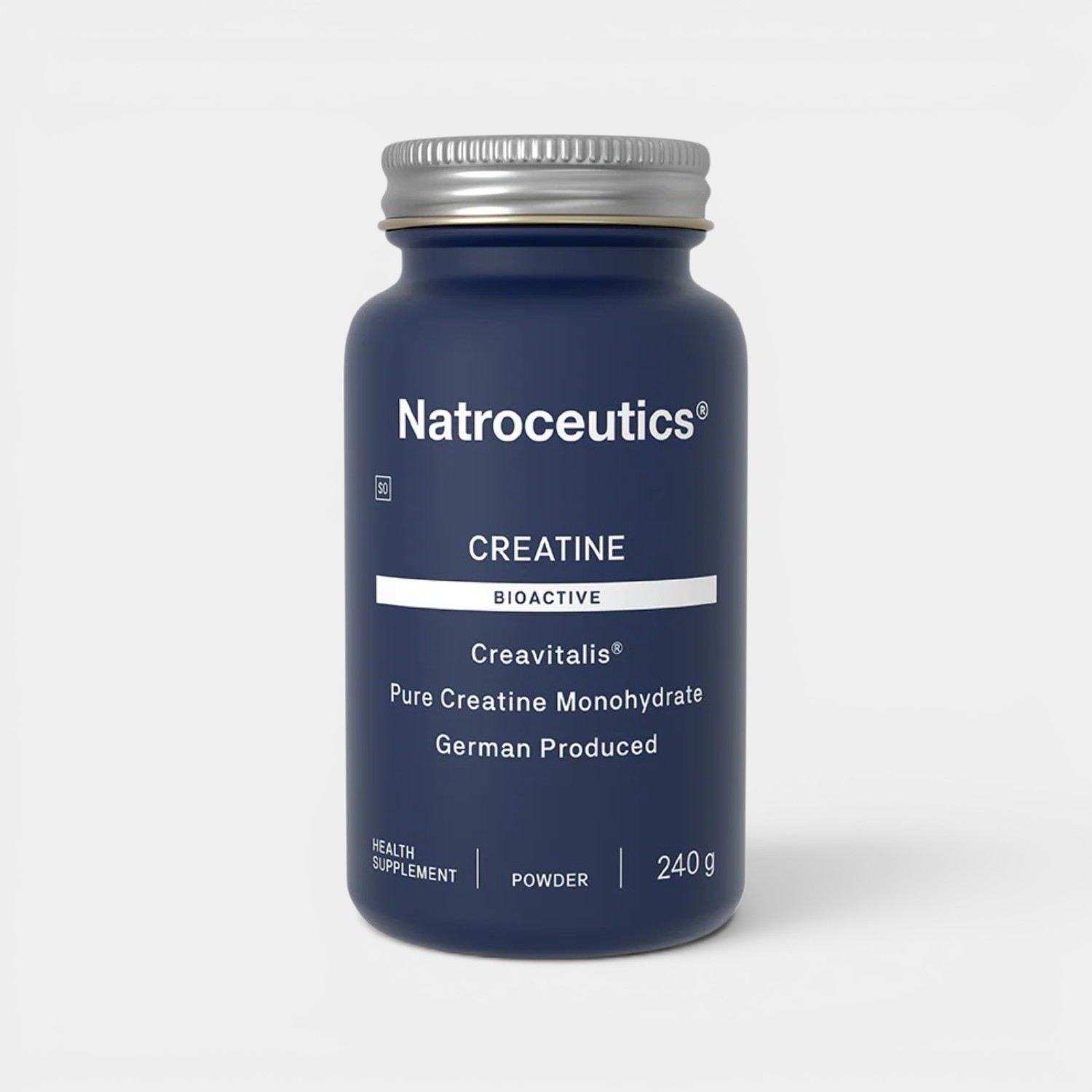
Natroceutics Creatine Bioactive
Why we like it:
Natroceutics Creatine Bioactive keeps things simple, providing Creavitalis® micronised creatine monohydrate in an unflavoured powder with no unnecessary fillers, flavours or sweeteners. Manufactured in Germany and independently tested for purity, particle size and solubility, it offers the quality assurance we look for in an everyday creatine supplement.
A 5 g daily serving also makes it easy to achieve the commonly used daily creatine dose discussed above, while the micronised powder is designed for easy mixing.
Best for: Anyone looking for a clean, straightforward, high-quality creatine monohydrate for daily use.
[SHOP NATROCEUTICS CREATINE BIOACTIVE →]
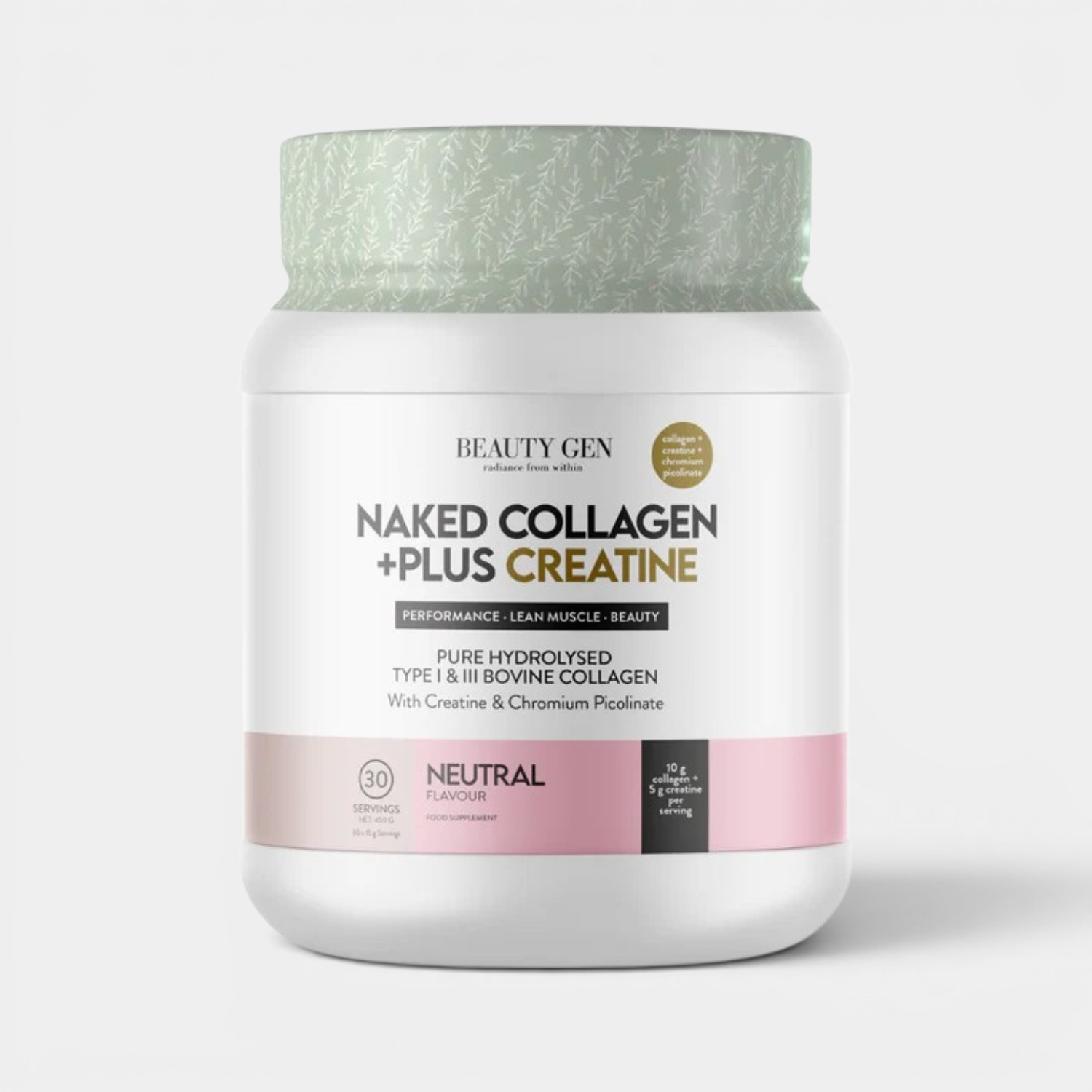
Beauty Gen Naked Collagen® + Creatine
Why we like it:
A great option for women who want more from their daily supplement, Beauty Gen Naked Collagen® + Creatine combines an effective 5 g serving of creatine with 10 g of hydrolysed Types I & III collagen and chromium. Rather than taking collagen and creatine separately, you get both in one convenient daily formula.
The collagen makes it particularly appealing for women looking to support skin, hair, nails, joints and connective tissue, while creatine adds the muscle and exercise-performance benefits we’ve explored throughout this article. Chromium provides an additional nutritional benefit by contributing to normal macronutrient metabolism and the maintenance of normal blood glucose levels.
Best for: Women looking for a convenient beauty + strength formula that combines their daily creatine and collagen in one supplement.
[SHOP BEAUTY GEN NAKED COLLAGEN® + CREATINE →]
PrimeSelf Creatine Complex

Why we like it:
PrimeSelf takes a more comprehensive approach by combining creatine monohydrate with MagnaPower® Creatine Magnesium Chelate, providing 5 g total creatine plus 250 mg elemental magnesium per serving. This makes it an interesting choice for women looking to support both physical performance and everyday energy metabolism.
Magnesium contributes to normal muscle and nerve function and energy metabolism, while creatine supports rapid cellular energy availability. With creatine also being increasingly researched for its role in brain energy and cognitive function, this combination fits particularly well with the broader strength + brain health conversation explored in this article.
Best for: Women wanting a more comprehensive creatine + magnesium formula for muscle, performance and everyday energy support.
[SHOP PRIMESELF CREATINE COMPLEX →]
Good Life Wellness Creatine + HMB

Why we like it:
Good Life Wellness pairs 5 g of creatine monohydrate with HMB and vitamin D3, making it a particularly interesting option for women focused on maintaining muscle and strength as they age. HMB is a metabolite of the amino acid leucine and is commonly used in formulations designed to support muscle maintenance and recovery, while vitamin D contributes to normal muscle function and bone health.
With 2 g calcium HMB and 600 IU vitamin D3 per serving, this formula goes beyond straightforward creatine supplementation and ties particularly well into the importance of preserving muscle, strength and physical function discussed throughout this Women’s Month article.
Best for: Women looking for a strength + muscle maintenance formula, particularly as healthy ageing becomes a greater priority.
[SHOP GOOD LIFE WELLNESS CREATINE + HMB →]
Looking for More Creatine Options?
These are just a few of our favourites. Explore our full range of creatine supplements to find the formulation that best suits your lifestyle, training goals and everyday wellness needs.
This Women’s Month, Let’s Rethink What Women’s Health Looks Like
Women’s health conversations have traditionally centred heavily around reproductive health, hormones and weight.
Those things matter.
But women’s health is also about strength. It’s about maintaining muscle. Staying active. Supporting our brains. Preserving our ability to move confidently and independently as we get older.
Creatine isn’t a miracle supplement, nor does every woman necessarily need it.
But one of the most extensively researched supplements in nutrition deserves to be discussed outside the bodybuilding aisle.
This Women’s Month, perhaps it’s time we stopped viewing strength as something purely aesthetic – and started recognising it as an investment in our future health.
Not Sure If Creatine Is Right for You?
Supplementation should always fit the individual, not the trend.
Our in-store homeopathic doctors can help you take a personalised approach to supplementation, considering your health history, current concerns, medications, diet, lifestyle and individual wellness goals.
Whether you’re interested in supporting strength and exercise performance, navigating the changes that come with healthy ageing, or simply wondering whether creatine belongs in your routine, we’re here to help.
Visit us in-store or book a consultation with one of our homeopathic doctors for personalised guidance.
